Free Newsletter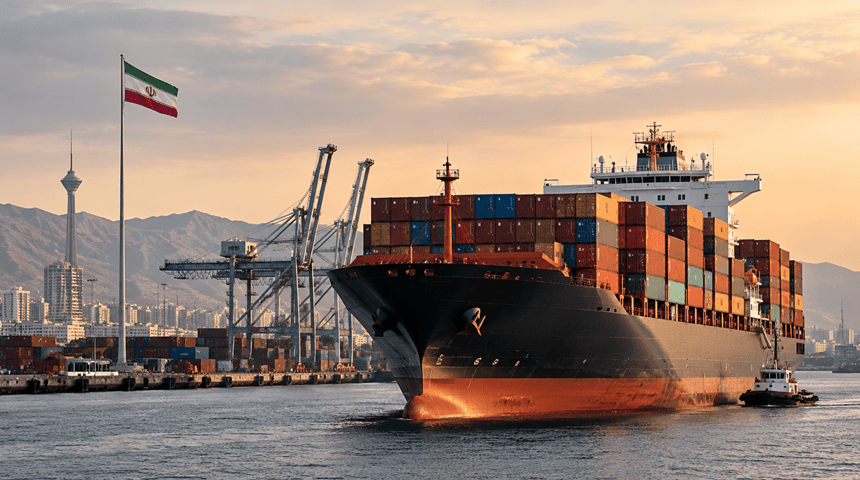
(Image generated by ChatGPT, 2026)
Spot rates tick higher as Iran peace deal appears near
Spencer Musick //Senior Editor//June 12, 2026


London — Global container spot rates continued their upward march this week, extending a rally that began in early May as carriers capitalized on an early peak shipping season and lingering disruptions tied to the war involving Iran.
Supply chain analytics firm Drewry’s World Container Index increased 3% to $3,549 per 40-foot container in its latest assessment, marking the sixth consecutive weekly increase.
The latest increase was driven primarily by higher rates on the trans-Pacific trade lane, where carriers have continued to implement general rate increases and maintain tight capacity controls. Drewry said stronger-than-expected demand and an early start to peak season continue to support pricing, though the pace of increases has moderated from the sharp gains recorded earlier this month.
See also:
- Court fight leaves some tariff refunds in limbo
- Tariff-related sourcing shifts impact RH’s Q1 results
Spot rates from Shanghai to New York and Los Angeles both moved higher during the week, while Asia-Europe routes also remained elevated. Carriers have maintained a combination of Freight All Kinds rates, emergency fuel surcharges and peak-season surcharges introduced after the outbreak of hostilities in the Middle East.
Peace deal looks likely
At the same time, attention has shifted toward diplomatic developments surrounding the Strait of Hormuz, the strategic waterway through which roughly one-fifth of the world’s oil supply normally passes.
According to CNBC reporting, U.S. and Iranian negotiators are working toward a memorandum of understanding that could reopen the strait and formalize a broader ceasefire framework. The proposed agreement would reportedly include provisions related to sanctions relief, energy exports and maritime access. However, officials on both sides have cautioned that a final agreement has not yet been reached.
Separate reporting indicates a peace memorandum could be signed as early as this weekend in Geneva, although key details remain under negotiation and Iranian officials have publicly disputed suggestions that a final agreement has already been completed.
The prospect of a deal has already influenced energy markets. Oil prices have fallen sharply in recent days as traders priced in the possibility of a reopening of Hormuz and the return of additional oil supplies to global markets. As of Friday morning, Brent crude had retreated from levels above $90 per barrel seen earlier in the conflict.
Freight markets remain cautious
Despite the improving diplomatic outlook, Drewry said shipping markets remain cautious.
Container carriers continue to face elevated operating costs tied to fuel, insurance and network disruptions. Many lines have maintained war-related surcharges, and vessel operators are still proceeding carefully through Gulf waters while awaiting clarity on security arrangements and transit rules.
Even if a deal is reached, analysts expect any normalization of shipping patterns to take time. Tanker traffic through Hormuz remains below prewar levels, and carriers will likely seek evidence of sustained stability before fully restoring services and removing emergency charges.
For importers, it’s clear that competing forces are now shaping the freight market. Strong seasonal demand and carrier pricing discipline continue to support higher spot rates, while the prospect of a Hormuz reopening could eventually reduce fuel costs and ease some of the supply chain pressures that have helped drive rates higher over the past several months.