


 Free Newsletter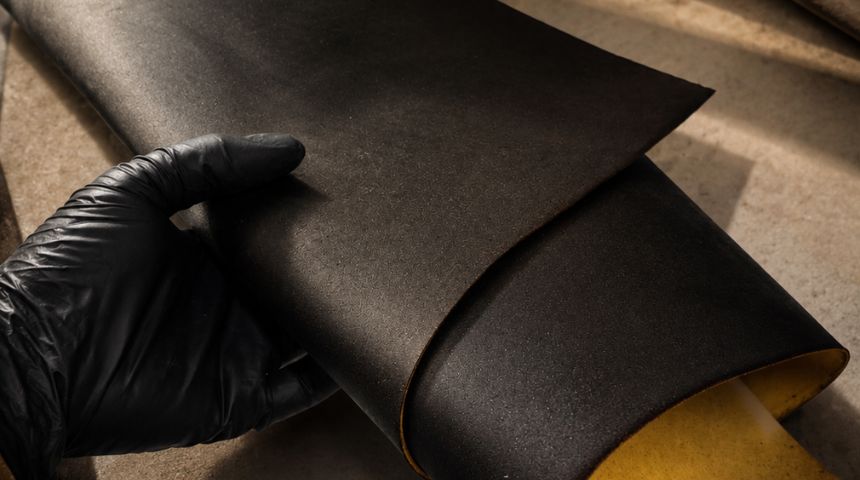
New VitriCycle patented process converts used mattress foam into synthetic leather products, shoe soles and phone cases. Photo courtesy of Vitricycle.
New recycling breakthrough gives mattress foam a second life
Sheila Long O’Mara //Executive Editor, Furniture Today//June 11, 2026


Houston – A Houston-based materials technology company has secured a U.S. patent for a process that converts discarded polyurethane foam, including post-consumer mattress foam, into materials that can be used in products ranging from synthetic leather and footwear components to phone cases and industrial parts.
The patent, recently issued by the U.S. Patent and Trademark Office, covers a thermochemical conversion process developed by Edge Global Innovation that transforms polyurethane foam waste into reusable materials. The company is commercializing the technology through its subsidiary VitriCycle.
According to the company, the patented process uses a method that converts scrap polyurethane foam into recycled materials without requiring additional solvents or catalysts.
“Turning old mattress foam into synthetic leather products, shoe soles, phone cases, key rings, bumpers, gaskets and other everyday products is the future we are building with VitriCycle,” said Vahid Serajian, chief executive officer of Edge Global Innovation.
See also:
- SABA’s new water-based adhesive designed to make mattress recycling easier
- 2 Tempur Sealy sites have been recertified by Mattress Recycling Council program
The development marks a milestone for the Mattress Recycling Council, which provided early funding for the research as part of its efforts to develop new end markets for post-consumer mattress foam. The VitriCycle technology is the first MRC-supported research project to result in a patent, according to the organization.
“We are excited to have played a supporting role in developing this technology at an early stage and are thrilled to see it advancing to adoption in new markets,” said Mike O’Donnell, chief operating officer of the Mattress Recycling Council.
VitriCycle said its technology can produce recycled pellets suitable for injection molding applications, including footwear components, phone cases, automotive accessories and industrial gaskets.
The company also has developed a synthetic leather material marketed under the name KindHide. Produced from recycled foam, the material is intended for use in products such as wallets, handbags, furniture applications and other consumer goods.
The technology could have implications beyond mattress recycling. Serajian said the company has held discussions with a national furniture manufacturer regarding potential circular manufacturing applications. Under that model, manufacturers could possibly convert production scrap foam into synthetic leather materials for use in upholstery and other components.
The company also plans to offer the technology through licensing agreements, targeting foam producers, mattress manufacturers, furniture companies, automotive suppliers and mattress recyclers seeking new uses for polyurethane waste streams.
As sustainability initiatives continue to gain traction across the home furnishings industry, technologies that create higher-value applications for recovered mattress materials could help expand recycling markets while reducing landfill disposal.
VitriCycle said it sees growing interest from manufacturers and brands seeking domestically produced recycled materials as companies look to reduce exposure to volatile raw material costs, tariffs and overseas supply chain disruptions.
The Mattress Recycling Council, founded by the bedding industry, operates mattress recycling programs in California, Connecticut, Oregon and Rhode Island. The organization recycles more than 2 million mattresses annually and has recycled more than 17 million mattresses since 2015.
Related Content
Contributor Content

Arkwright’s Five Strategies To Assure Customer Success.
Arkwright Home has come a long way since setting up shop in [...]
March 1, 2021


